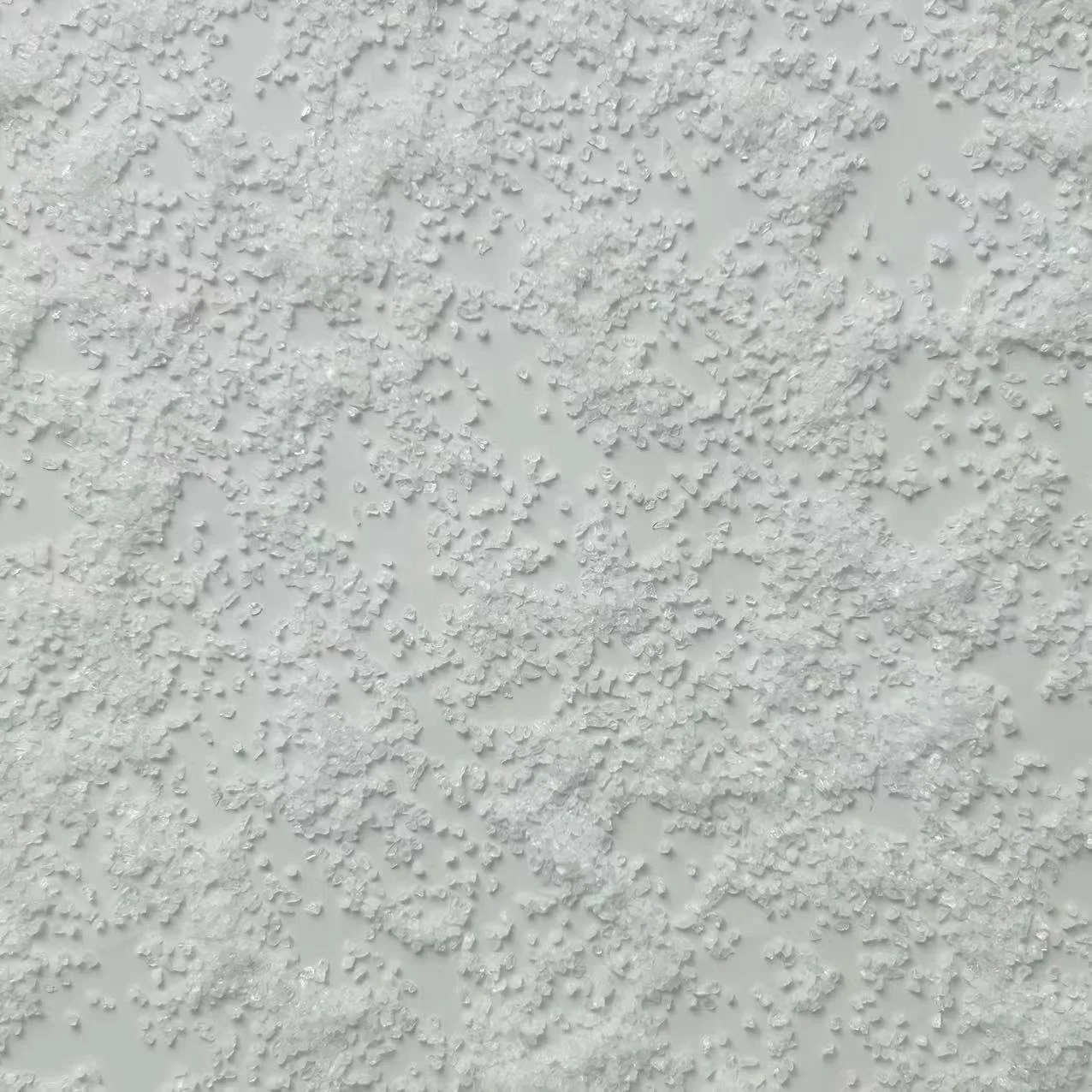
Biały tlenek glinu to materiał ścierny o wysokiej czystości, wytwarzany przez stapianie wysokiej jakości tlenku glinu w elektrycznym piecu łukowym. Dzięki wyjątkowej twardości i cząstkom o ostrych krawędziach idealnie nadaje się do precyzyjnego piaskowania, które wymaga agresywnego usuwania materiału i dokładnego wykańczania powierzchni. Jego stabilność chemiczna i odporność na wysokie temperatury sprawiają, że nadaje się do czyszczenia, usuwania zadziorów i przygotowania powierzchni na różnych podłożach, w tym stali, aluminium, ceramice i szkle.
Kluczowe zalety białego stopionego tlenku glinu obejmują jego zdolność do uzyskiwania spójnych wyników, niskie wytwarzanie pyłu i możliwość recyklingu, co zapewnia wydajność i opłacalność. Jest on szeroko stosowany w przemyśle lotniczym, motoryzacyjnym i elektronicznym do takich zastosowań, jak usuwanie rdzy i powłok, czyszczenie spoin i teksturowanie powierzchni. Dostępny w różnych rozmiarach ziarna, biały topiony tlenek glinu może zaspokoić różne potrzeby związane z obróbką strumieniowo-ścierną, od zgrubnego czyszczenia po bardzo dokładne wykończenie, co czyni go wszechstronnym i niezawodnym materiałem ściernym.
Specyfikacja chemiczna
White Fused Alumina for Sandblasting Application
Chemical Composition
The chemical composition of white fused alumina (WFA) used for sandblasting applications was determined through X-ray fluorescence (XRF) analysis. The results are presented below and comply with international standards.
| Component |
Content (%) |
| Aluminum Oxide (Al₂O₃) |
99.6 |
| Sodium Oxide (Na₂O) |
0.22 |
| Silicon Dioxide (SiO₂) |
0.08 |
| Iron Oxide (Fe₂O₃) |
0.04 |
| Calcium Oxide (CaO) |
0.10 |
Certyfikat analizy
1. Introduction
This report provides a detailed analysis of the physical and chemical properties of white fused alumina (WFA) used in sandblasting applications. The analysis is conducted in compliance with relevant international standards to ensure accuracy and consistency.
2. Sample Details
The white fused alumina sample was obtained from certified manufacturing sources and subjected to comprehensive testing. The sample preparation and testing adhered to ISO 11126-7 for non-metallic abrasives.
3. Chemical Composition
The chemical composition of the sample was determined using X-ray fluorescence (XRF) analysis. Results are as follows:
| Component |
Content (%) |
| Aluminum Oxide (Al₂O₃) |
99.5 |
| Sodium Oxide (Na₂O) |
0.18 |
| Silicon Dioxide (SiO₂) |
0.10 |
| Iron Oxide (Fe₂O₃) |
0.05 |
4. Physical Properties
The physical properties of the white fused alumina sample were assessed based on ASTM and ISO standards. The results are presented below:
| Property |
Value |
| Bulk Density (g/cm³) |
3.50 |
| Hardness (Mohs) |
9.0 |
| Grain Shape |
Angular |
| Specific Gravity (g/cm³) |
3.96 |
5. Grain Size Distribution
Grain size distribution was measured according to ISO 6344-1. The results are as follows:
| Mesh Size |
Cumulative Passing (%) |
Retained (%) |
| 16 |
97 |
3 |
| 24 |
94 |
6 |
| 36 |
90 |
10 |
| 46 |
87 |
13 |
6. Conclusion
The white fused alumina sample exhibits superior purity and hardness, making it highly effective for sandblasting applications. Its low impurity content and angular grain shape ensure optimal performance in surface preparation and cleaning tasks. The results confirm its compliance with international quality standards for industrial abrasives.