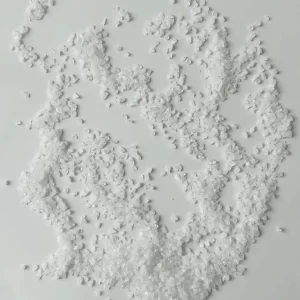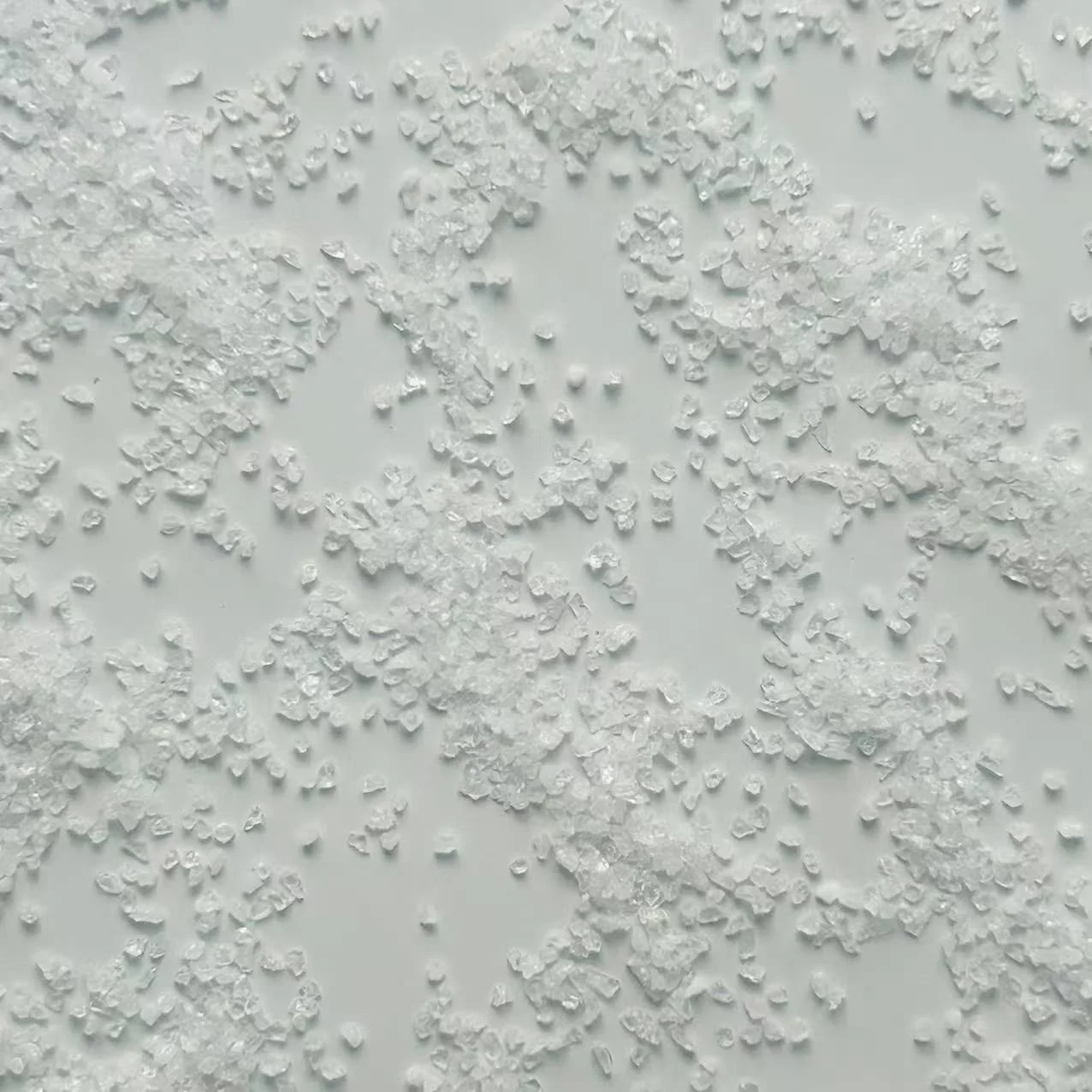
White fused alumina (WFA) is a premium-grade synthetic material made by melting and purifying high-quality aluminum oxide in an electric arc furnace. Renowned for its exceptional hardness, purity, and sharp-edged particles, WFA is an essential material in the abrasives industry. Its excellent wear resistance, thermal stability, and chemical inertness make it the ideal choice for producing bonded and coated abrasives, grinding wheels, and polishing compounds.
With consistent particle size distribution and high friability, white fused alumina delivers superior cutting efficiency and a refined surface finish. Its versatility allows it to perform effectively on a wide range of materials, including metals, ceramics, glass, and composites, ensuring high performance in diverse abrasive applications.
Product Features
1. High Hardness: With a Mohs hardness of 9.0, WFA ensures aggressive material removal and durability in abrasive tools.
2. High Purity: Contains over 99% aluminum oxide, ensuring minimal impurities and excellent performance.
3. Thermal Stability: Withstands high temperatures, making it suitable for high-speed grinding and polishing.
4. Sharp Edges: The angular and sharp-edged particles enhance cutting efficiency and precision.
5. Recyclability: White fused alumina can be reused multiple times in abrasive applications, improving cost-effectiveness.
Production Process:
1. Raw Material Selection: High-quality alumina is carefully selected to ensure minimal impurities.
2. Fusing Process: The alumina is melted in an electric arc furnace at temperatures exceeding 2000°C.
3. Cooling and Crushing: The molten material is cooled and then crushed into particles of varying sizes.
4. Purification: Magnetic separation and sieving are performed to remove impurities and achieve uniform particle sizes.
5. Screening and Grading: The final product is classified into different grit sizes to meet specific abrasive needs.
For abrasives application:
1. Bonded Abrasives: Used in grinding wheels and segments for precision machining of metals, ceramics, and other materials.
2. Coated Abrasives: A key material in sandpaper and abrasive belts for polishing and finishing surfaces.
3. Blasting Media: Ideal for surface cleaning, texturing, and preparation in industries like aerospace and automotive.
4. Polishing Compounds: Ensures fine surface finishing and high precision in optics, electronics, and jewelry.